When to start physiotherapy after a hip or knee replacement
One of the most common questions we get from patients preparing for joint replacement surgery is: “When should I book my first outpatient physiotherapy appointment at your clinic?”
While your recovery starts the very day you leave the operating theatre, knowing when to transition into clinic-based physiotherapy depends on your wound healing, your comfort travelling, and which joint you have had replaced. Here is a guide to the typical timeline we recommend at ESIC.
Before your operation: "Prehab"
In an ideal world, everyone would see a physiotherapist before their procedure. A pre-operative session allows us to talk you through what to expect, practise your post-op exercises while you are still comfortable, and get you familiar with using crutches or walking sticks. Learning these movements in advance makes them much easier to perform, and far more likely to be done safely and correctly, when you are recovering from surgery.
Days 1–2: In the hospital
A hospital physiotherapist will usually see you on the day of your operation, or the following morning. Before you are discharged, they will ensure you can:
- Safely get in and out of bed and a chair.
- Walk confidently with crutches or sticks.
- Navigate stairs safely.
- Perform your initial, gentle home exercises.
Coming into the clinic: Things to consider first
Before booking your first session at ESIC, there are a few practical factors to keep in mind:
- Transport: You will not be able to drive yourself in the early weeks, so you will need a friend, family member, or taxi to bring you.
- Public Transport: We strongly advise avoiding buses and trains in the very early stages. Sudden stopping, starting, and navigating steps or wet surfaces carry an unnecessary risk of slips or knocks while your balance and strength are still returning.
- Comfort: Make sure you feel reasonably comfortable sitting as a passenger for the duration of the journey to and from the clinic.
Knee Replacement Timeline: 2 to 3 weeks post-op
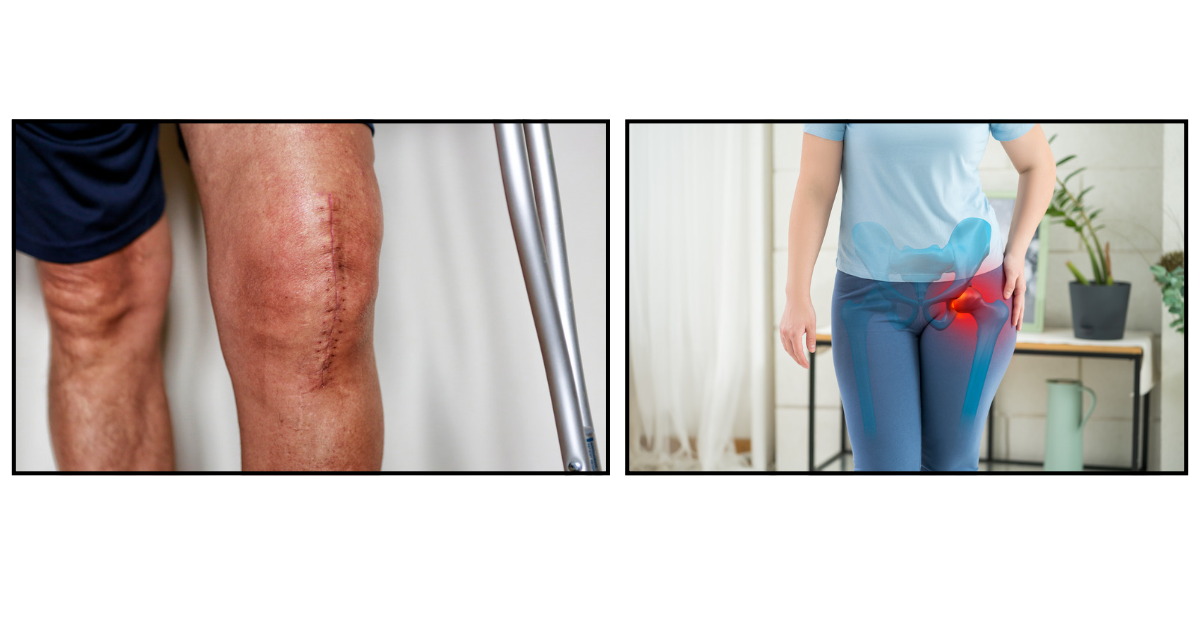
For a total or partial knee replacement, we like to see you once your stitches or staples have been removed and the wound is clean, dry, and well-healed. This is typically 2 to 3 weeks after surgery.
What we do at this stage:
- Review and progress your exercises: We check your technique and adjust or add to your routine depending on how your range of motion, strength and swelling are progressing.
- Hands-on manual therapy: Once the skin is healed, gentle soft-tissue work around the knee and scar site helps reduce swelling and scar tissue adhesions. Patients often find this makes a huge difference to that classic feeling of tightness and discomfort across the front of the knee.
- Follow-up frequency: Depending on how your knee is responding and what your personal goals are, we typically see knee replacement patients every 1-2 weeks initially until the scar is moving freely and your bend and straightening are well established. It is recommended to book a series of around 3-4 weekly/fortnightly appointments at the start to ensure continuity of care at the early stage of your recovery.
Hip Replacement Timeline: 6 to 8 weeks post-op (or earlier if needed)
Recovering from a hip replacement follows a slightly different pace. Getting in and out of a car can be trickier in the early stages, as you may need to follow specific movement precautions for at least the first 6 weeks (depending on your surgeon’s approach).
Furthermore, the gentle exercises you are given in hospital usually do not need to be changed for the first 6 weeks while the deeper tissues heal.
- Coming in earlier (2–6 weeks): If you would like reassurance, want us to check your exercise technique, or want guidance on walking without a limp before the 6-week mark, you are very welcome to come in as soon as you feel comfortable travelling in a car.
- Our standard timeframe for hands-on treatment from 6 weeks: We typically begin hands-on treatment around 6 to 8 weeks post-surgery. Because a hip replacement scar is less restrictive than a knee replacement scar, safe movement and gentle exercises take priority during the early weeks. Once you reach the 6 to 8-week mark, we use manual therapy to ensure the scar tissue remains mobile and to check that any residual swelling or bruising (haematoma) is settling properly. Most patients are also ready to progress to the next stage of strengthening exercises at this point. It is recommended to book a series of around 3-4 weekly/fortnightly appointments at the start to ensure continuity of care at the early stage of your recovery.
When to expect the treatment to conclude
The treatment may end between 6 and 12 weeks, but could be longer depending on the patient’s progress, goals and the type of surgery. “Finishing” formal physio does not mean your recovery is over. Your physiotherapist will transition you to a self-directed home exercise programme to continue building long-term strength, stability, and endurance. Each patient’s recovery will vary so treatment will be tailored accordingly.
Why your exercises matter (even if you are walking well)
We always remind our patients: walking is brilliant, but it does not replace your physiotherapy exercises.
Walking builds general stamina and confidence, but it will not isolate the specific muscles that have weakened over months, or even years,of living with a stiff, painful joint. Targeted strengthening and mobility exercises are essential to retrain those muscles, protect your new joint, and get you back to the activities you love without a limp.
Ready to plan your recovery? Whether you are preparing for upcoming surgery or looking to book your post-operative check-up, get in touch with our team at ESIC and we will help you find the right time to come in.
You can read more about our pre and post surgery physiotherapy.
Surgery is only part of the journey – how you prepare and recover makes all the difference.
Why not meet read some real life patient stories in our patient reviews to help you learn more about Edinburgh Sports Injury Clinic.